
February 3rd, 2026
Build, baby, build – plans for the housing sector announced
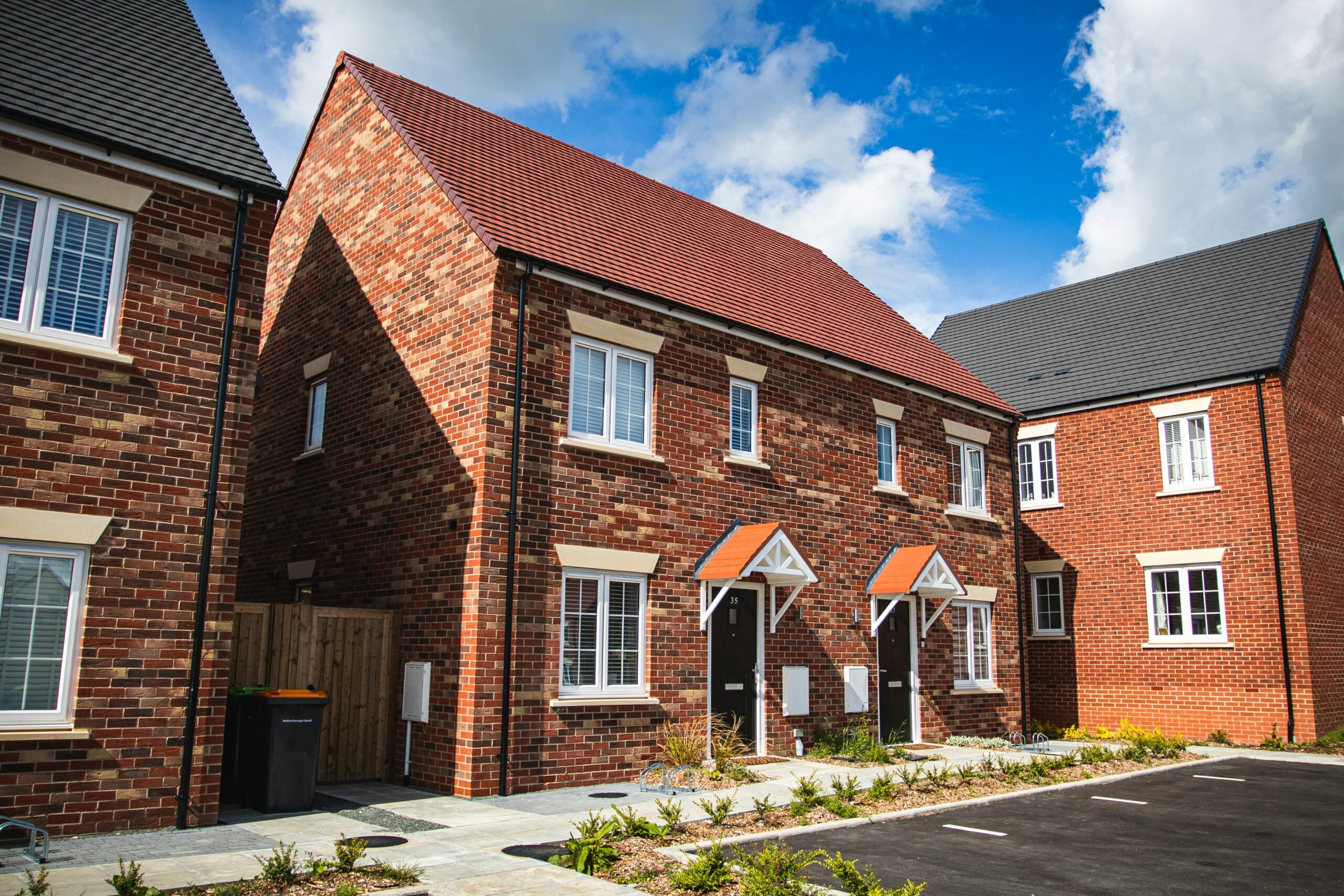
Following announcements in the Budget back in November, the government has now unveiled a host of new measures for the housing sector, with the aim of improving living standards and further supporting the delivery of affordable homes. We set out below the key takeaways from that announcement.
Delivery of new homes to be unlocked through changes to s.106 process
The government has confirmed that up to 10% of the £2.5billion in funding announced last year can be used to acquire new homes through s.106 schemes. This will allow Registered Providers (RPs) to bid for funding at historic low interest rates of 0.1%.
In addition, the government acknowledges that, although s.106 agreements are an essential mechanism to delivering affordable homes, in more recent years the process of actually negotiating and entering into those agreements has become arduous and protracted. That, coupled with the fact that many s.106 units have been left uncontracted or unsold, has led to delay in turning consented sites into completed units.
With that in mind, the government has published a new road map, designed to streamline and simplify the s.106 process. This introduces:
- An emergency measure allowing Local Planning Authorities (LPAs) to vary and renegotiate s.106 agreements where the delivery of a site has genuinely stalled due to an inability by the developer to find a suitable RP buyer. In such circumstances, the permitted tenure of the affordable housing units can be amended, either by way of deed of variation, or by the developer making a formal planning application to modify the existing permission. This flexibility will apply:
- to units which developers have uploaded onto the Homes England Clearing Service by 1 June 2026 (so as to allow RPs a final chance to bid for the units) which are due to be completed before 1 December 2027; and
- where developers are able to demonstrate to the LPA that they, without success, have used all reasonable endeavours to find an RP buyer to satisfy the original requirements of the s.106 agreement.
- A requirement for financial contributions under s.106 agreements to be considered at Local Plan stage, rather than planning application stage. By forcing LPAs to think about this earlier, developers will have greater certainty as to the financial contributions required from their developments. The hope is that it will also cut out the time of negotiating these contributions, enabling parties to get into s.106 agreements more quickly.
- A new standardised template s.106 agreement with set clauses for sites with fewer than 50 units.
- New guidance, which will aim to foster early engagement and collaboration between RPs, developers and LPAs – setting out standards for s.106 homes, an agreed framework for delivery of s.106 homes and standardised pricing.
- New funding opportunities for the acquisition of s.106 homes – enabling:
- Councils to the use Right to Buy receipts and funding through the Local Housing Authority Fund to acquire s.106 units; and
- RPs to use their buying power to come together as consortia to acquire s.106 units
Decent Homes Standards to be updated for the first time in 20 years
The government announced that, for the first time in 20 years, it is updating the Decent Homes Standards (DHS). Coming into force in 2035, the new DHS will reflect modern living requirements for both social and private rented units. Focusing on elements such as the condition (rather than age) of building components such as windows and roofs, mandatory child-resistant window restrictions, and good quality kitchens and bathrooms, it aims to improve the health (and safety) outcomes for tenants.
Introduction of new Minimum Energy Efficiency Standards
In conjunction with the modernised DHS, the government also provided its final direction to social landlords on new Minimum Energy Efficiency Standards. Recognising the responsibility that landlords have in ensuring that homes are both of good quality and affordable to run, the government has confirmed that by 1 April 2030 all new home must achieve a minimum EPC rating of C.
Social Housing Taskforce
Finally, the government acknowledged that a close sector partnering arrangement will be key to delivering more, better-quality social housing moving forward. As such, the government plans to establish a new compact in the coming weeks, with the aim of overseeing housing delivery by housing associations, councils and other RPs – and most importantly, with the power to hold those responsible for delivering social housing to account.
Our views
These measures have unsurprisingly been welcomed by the sector. In addition to providing clarity on the standards and delivery requirements for councils, housing associations and other RPs, Kate Henderson, CEO of the National Housing Federation commented that “These announcements give our sector the confidence to deliver on our shared ambition of a generational boost to social housing.”
However, it remains to be seen whether and how the sector is able to respond to the rallying cry from Housing Secretary Steve Reed to “build, baby, build”.
One thing is for sure, when it comes to negotiating development agreements and building contracts moving forward, we expect councils, housing associations and other RPs to have a renewed focus on requirements as to condition, quality and rectification of defects. Although general ‘compliance with statutory requirements’ clauses are useful, it will be incumbent on councils, housing associations and RPs to ensure that its supply chain members are aware of what compliance with these requirements will actually mean from a practical perspective.